
The reality
Behind the Headlines
Understanding the Misconceptions
Public conversations about migration are often shaped by fear, distance, or incomplete information. When data is taken out of context, it becomes easy for misconceptions to spread, and harder for people to understand the real stories behind movement. This section breaks down the most common myths using clear, reputable evidence.
Misconception: 1
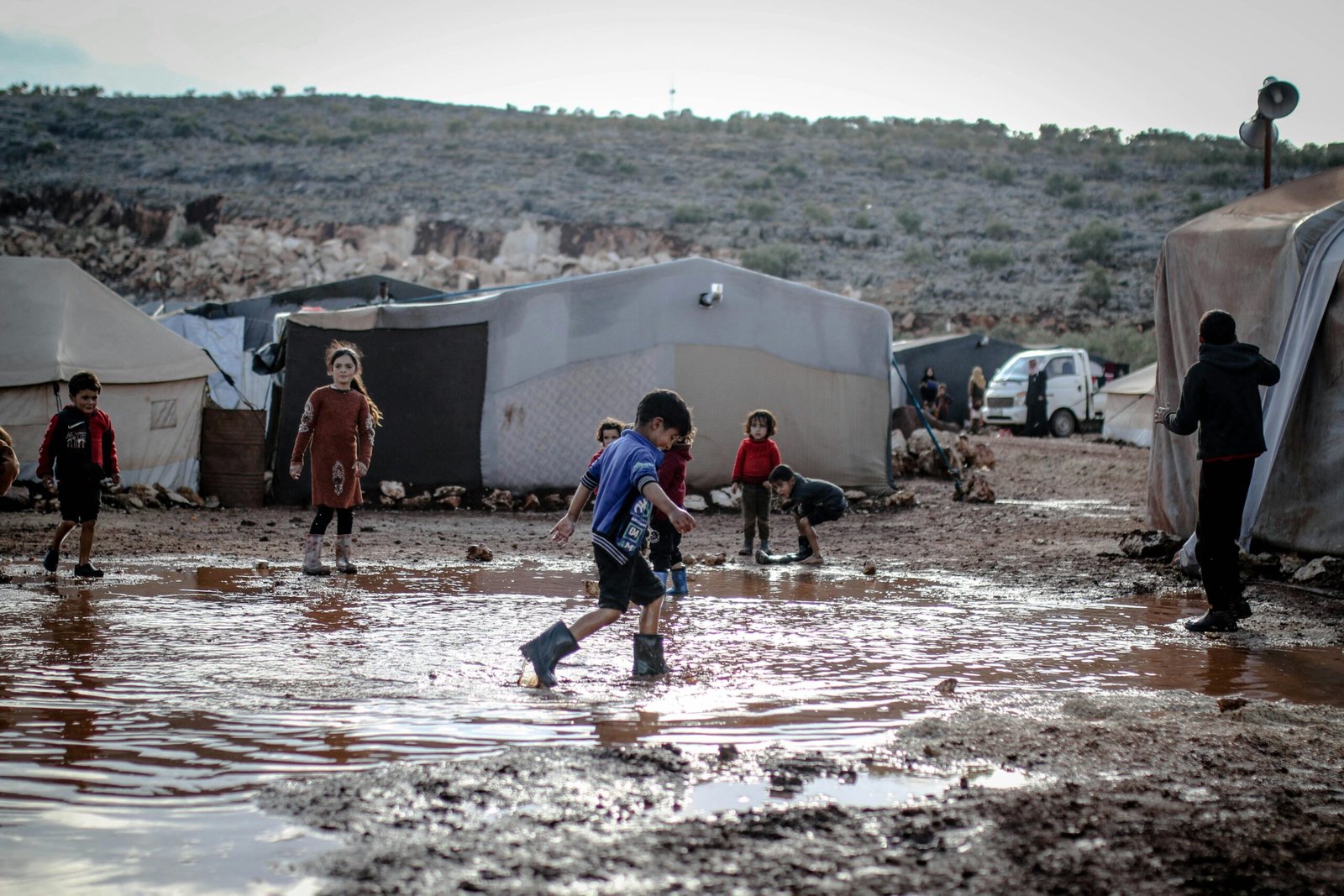
This belief is widespread, but it doesn’t align with documented reasons for migration.
In the last decade, around 70% of first-time asylum applicants in the EU list conflict, political repression, or humanitarian emergencies as their primary reason for leaving home. Countries such as Syria, Afghanistan, Iraq, South Sudan, and Eritrea remain among the most dangerous places to live, with volatile political climates and limited access to basic rights. (according to the UNHCR)
Many families who reach Europe have already spent years in displacement, in refugee camps, temporary housing, or unstable neighboring countries. Before arriving in the EU, they often face:
Years of interrupted schooling
Restricted access to medical care
Threats from militias or extremist groups
No legal pathways to rebuild their lives
Migration, for them, is not an “option”, it is a last resort for survival.
Misconception: 2
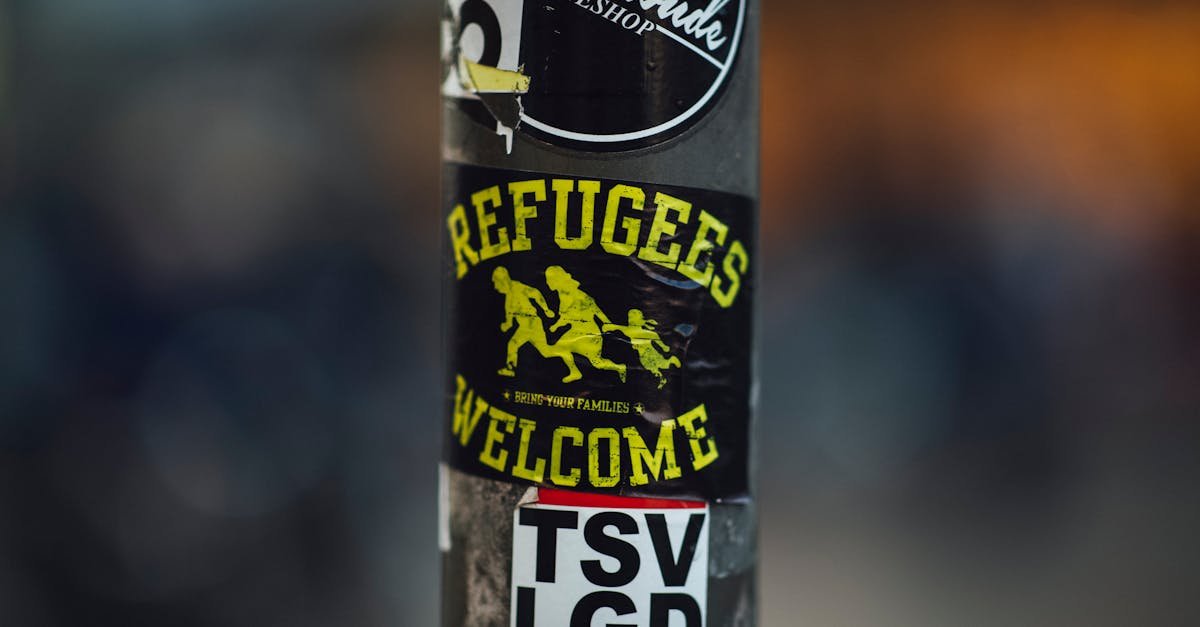
This misconception ignores long-term economic trends.
Research across multiple EU member states shows that refugees and migrants often become net contributors once they gain access to legal employment, paying into the same public systems they rely on.
In Austria, long-term studies indicate that integration into the workforce typically takes 6–10 years, depending on language proficiency and the recognition of prior qualifications. After this period, most migrants:
Pay income taxes
Contribute to pension and healthcare systems
Participate in local economies through consumption, rent, and services
Importantly, economists highlight that Europe’s aging population means that migrant labor is increasingly essential to sustaining social systems long-term. Rather than burdening the state, migrants often fill labor shortages in sectors like healthcare, construction, hospitality, childcare, and public services.
Misconception: 3
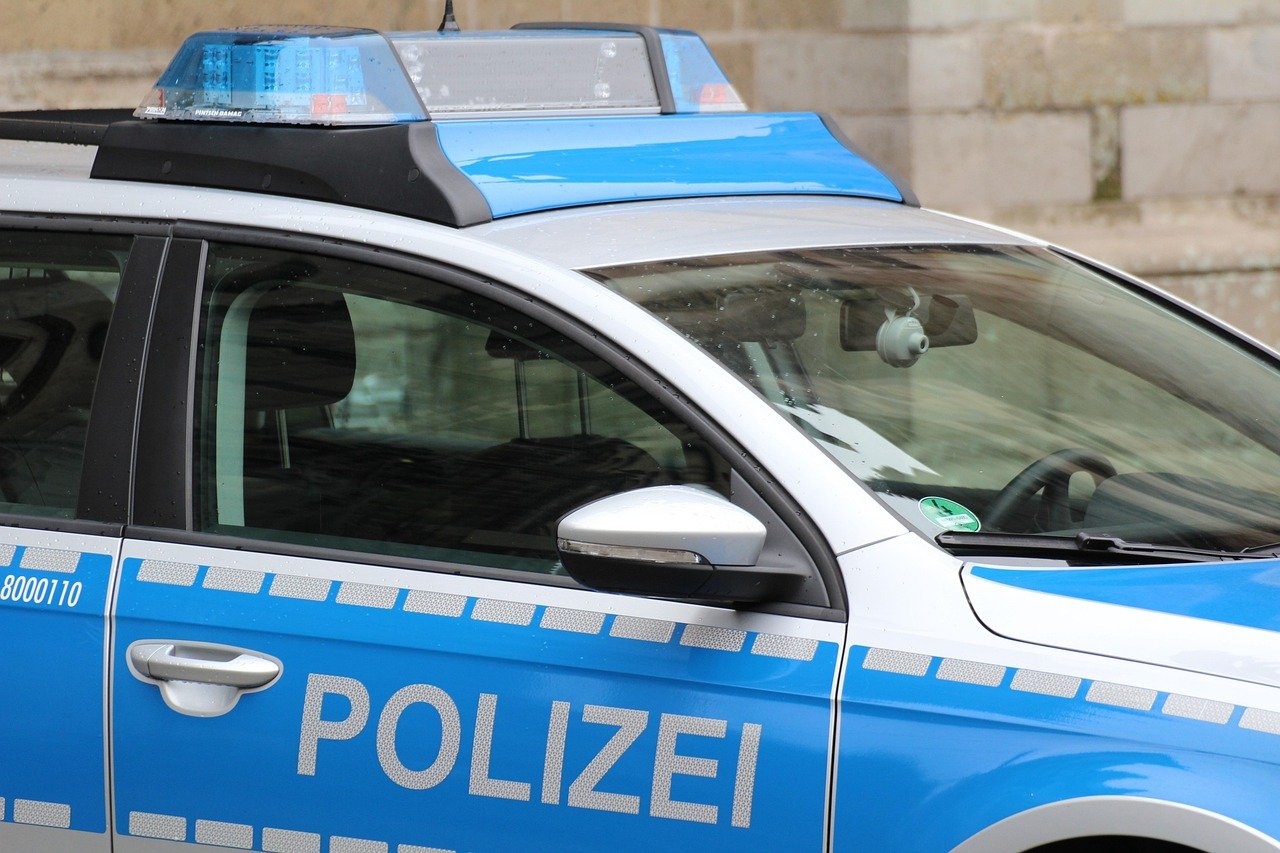
Despite being a popular claim in political rhetoric, there is no verified causal link between increased migration and crime rates in Europe.
In Austria, crime statistics in years of higher asylum arrivals (such as 2015–2016) did not show significant increases in crime overall. Research done by the European Commission emphasize that crime trends are far more closely tied to socioeconomic conditions, integration barriers, and local policy effectiveness, not the mere presence of newcomers.
Ultimately, criminology experts stress that treating migrants as a threat is not only inaccurate but counterproductive, it fuels stigma and slows integration, which in turn affects community cohesion.

Misconception: 4
A common assumption is that migrants are unwilling to adapt to life in their new country, but research and lived experience consistently show the opposite.
Across Europe, and especially in Austria, migrants overwhelmingly express a desire to learn the language, contribute economically, and participate socially. The biggest barriers are not motivation, but the structural obstacles around them:
Long wait times for official paperwork
Limited access to affordable, intensive language courses
Difficulty getting foreign qualifications recognized
Socioeconomic pressures (needing to work immediately to support family)
Despite these challenges, participation in language programs, vocational courses, and community activities remains consistently high among newcomers. Integration does not happen overnight, it requires time, policy support, and mutual openness.
The misconception that migrants “refuse to integrate” overlooks both the effort they put in and the systemic hurdles they face.
A New Start for an Iraqi Family in Vienna
In early 2020, just before the world shut down, an Iraqi family of five arrived in Austria after years of instability in Baghdad. They had endured repeated security threats, unpredictable violence in their neighborhood, and a growing fear that their children could not safely go to school. After a particularly tense week, a nearby explosion and several armed clashes, the parents made the difficult decision to leave their home.
They reached Vienna only weeks before COVID-19 restrictions began.
Suddenly, their first months in a new country were shaped by lockdowns, isolation, and the uncertainty of a global pandemic. Their language classes were cancelled, offices were closed, and even simple tasks like registering for services became complicated.
The mother later described this period as “starting a new life at a time when the whole world had stopped.”
Still, they pushed forward.
They were placed in a temporary apartment in Vienna’s outskirts, where five people shared two small rooms. The father, who had worked as a mechanic in Iraq, struggled at first to find a path back into his profession. When lockdown restrictions eased, he enrolled in online German classes, later completing a skills-recognition program. After months of applications, he secured work in a local auto shop.
The mother joined a community-led women’s German course when in-person programs reopened. She eventually found part-time work helping in a local bakery, saying it gave her “a small piece of normal life again.”
Their eldest son, who was 12 when they arrived, faced perhaps the biggest adjustment.
After missing substantial schooling due to conflict, followed by months of online learning in a language he did not understand, he worked intensely to catch up. Over the next few years, he developed strong German skills, excelled in science, and discovered a passion for medicine.
Today, he is in his first year of university in Vienna, studying to become a doctor, a dream he says grew from witnessing how fragile life had felt back home.
The family’s story does not rely on dramatic events; instead, it highlights the slow, determined work of rebuilding. Their experience reflects the reality of thousands of migrant families in Austria: navigating uncertainty, overcoming systemic barriers, and contributing quietly but meaningfully to the communities around them.
Learn More By Visting:
- UNHCR – Global Trends Report: Clear breakdown of displacement causes and patterns.
IOM (International Organization for Migration): Migration data dashboards and myth-busting resources.
European Commission – Migration & Home Affairs: Policy summaries and fact sheets.
OECD Migration Outlook (2025): Economic impacts and long-term trends.
Amnesty International / Human Rights Watch: Human stories and rights-focused reports.